



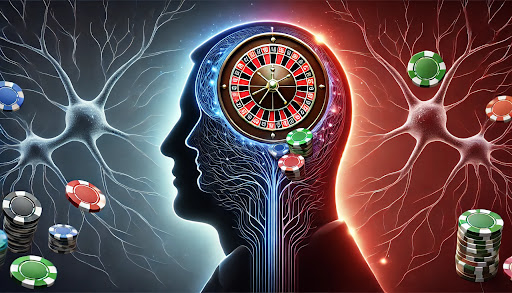
Gambling is an activity that involves risk and the potential for significant reward, yet it is driven by psychological mechanisms that make it an incredibly compelling and sometimes addictive pursuit. Whether it’s a poker game, a slot machine, or a sports bet, people are drawn to gambling for a variety of reasons. The psychological factors behind gambling are complex, encompassing everything from the thrill of risk to the brain’s reward system. Understanding these psychological influences is essential not only for players but also for regulators and operators to ensure a responsible and enjoyable gambling environment.
One of the primary psychological factors behind gambling is the concept of risk and reward. People are inherently drawn to activities that offer the potential for high rewards, particularly when there is an element of unpredictability. Gambling, by nature, is uncertain and involves a degree of chance. This uncertainty can create a sense of excitement and anticipation, which is part of the allure https://www.sv388.ro/. The possibility of winning large sums of money can trigger a sense of euphoria, leading individuals to engage in gambling as a form of excitement and entertainment.
The thrill of taking risks is deeply embedded in the brain’s reward system. The brain releases dopamine, a neurotransmitter associated with pleasure and motivation, in response to the anticipation of a potential win. This release of dopamine reinforces the behavior, encouraging individuals to continue gambling in search of that pleasurable feeling. Even when players lose, the brain still registers the experience as exciting, which can make them more likely to return to gamble again. This mechanism is often referred to as the “dopamine loop,” where the brain becomes conditioned to seek out the pleasure associated with gambling, even in the absence of consistent rewards.
One of the psychological phenomena that contribute to gambling behavior is the concept of “near misses.” In many gambling games, such as slot machines, players may experience what seems like a near win—a combination of symbols or numbers that are just one step away from a jackpot. These near misses are powerful motivators for continued gambling because they create the illusion of being “close” to winning. The brain perceives these near misses as a sign that a win is imminent, which encourages the player to keep betting. This is a key element of the psychology behind slot machines and other games of chance, as players are often tricked into believing that they are on the verge of a big win, even when the odds of winning are low.
Another psychological factor at play is the “gambling fallacy” or “gambler’s fallacy.” This is the belief that future outcomes in gambling are influenced by previous results, even though each event is independent. For example, a gambler may believe that after a series of losses, they are “due” for a win, or conversely, that a winning streak is about to end. This fallacy leads to flawed decision-making and can encourage players to keep gambling in the hopes of “balancing” their losses with a win. The gambler’s fallacy is a cognitive bias that clouds judgment and can lead individuals to make irrational bets based on past outcomes.
The psychological concept of “loss aversion” also plays a significant role in gambling behavior. Loss aversion refers to the tendency for people to feel the pain of losses more intensely than the pleasure of equivalent gains. In the context of gambling, individuals may be motivated to keep gambling after a loss in order to “recoup” their losses. This can lead to a cycle of gambling in which players continue to bet larger amounts, hoping to win back what they have lost. Unfortunately, this behavior can exacerbate the problem, leading to even greater losses. Loss aversion can make it difficult for individuals to stop gambling once they are in a losing streak, as the desire to “win back” money becomes more powerful than the rational understanding of the odds.
Social and environmental factors also influence gambling behavior. Many people gamble in social settings, whether it’s at a casino with friends or betting on sports games with colleagues. The social aspect of gambling can enhance its appeal, as it provides an opportunity for social interaction, camaraderie, and shared excitement. In some cases, gambling can be seen as a way to bond with others or engage in friendly competition. Social gamblers are often motivated by the enjoyment of the activity itself, rather than the desire to win money. However, peer pressure and the normalization of gambling within certain social circles can also lead to problematic behavior, as individuals may feel compelled to continue gambling to fit in or impress others.
For others, gambling can be an escape from stress, anxiety, or negative emotions. The thrill of gambling provides a temporary distraction from life’s challenges, offering a way to cope with feelings of depression, loneliness, or financial problems. For these individuals, gambling may serve as a form of self-medication, providing a sense of control or excitement that they may not feel in other areas of their lives. Unfortunately, this can lead to a reliance on gambling as a coping mechanism, which can quickly spiral into an addiction.
The psychological concept of “variable reinforcement” is another important element in gambling behavior. In many gambling games, such as slot machines, the rewards are not given on a consistent schedule. Instead, they occur unpredictably, which heightens the sense of excitement and anticipation. Variable reinforcement is known to create a powerful learning effect, as the unpredictability of rewards keeps players engaged and motivated to keep playing. This type of reinforcement is one of the reasons why gambling can be so addictive—players are continually chasing the next win, not knowing when it will occur.
The combination of these psychological factors—risk and reward, near misses, the gambler’s fallacy, loss aversion, social influences, and the thrill of variable reinforcement—creates a potent cocktail of motivations that can drive individuals to gamble excessively. The brain’s reward system is continuously activated during gambling, making it easy for players to fall into patterns of behavior that are difficult to break. Understanding the psychological mechanisms behind gambling can help players become more aware of their behavior and make more informed decisions about when to stop.
The gambling industry itself is also acutely aware of these psychological factors, and this awareness has led to the design of games that maximize engagement and player retention. The use of near misses, the pacing of rewards, and the integration of social elements are all part of the industry’s strategy to keep players engaged. However, this awareness also highlights the need for responsible gambling practices, as the same psychological mechanisms that make gambling appealing can also lead to problematic behavior. Many gambling operators now provide tools to help players manage their gambling, such as self-exclusion options, limits on bets, and reminders of time spent playing.
In conclusion, the psychology behind gambling is driven by a combination of cognitive biases, emotional responses, and social influences. The thrill of risk and reward, the allure of near wins, and the desire to recoup losses can all contribute to excessive gambling. Understanding these psychological factors is essential for both players and operators in promoting responsible gambling behavior. As the gambling industry continues to evolve, it will be important for regulators, operators, and players to work together to create an environment that encourages healthy, balanced gambling practices.

