

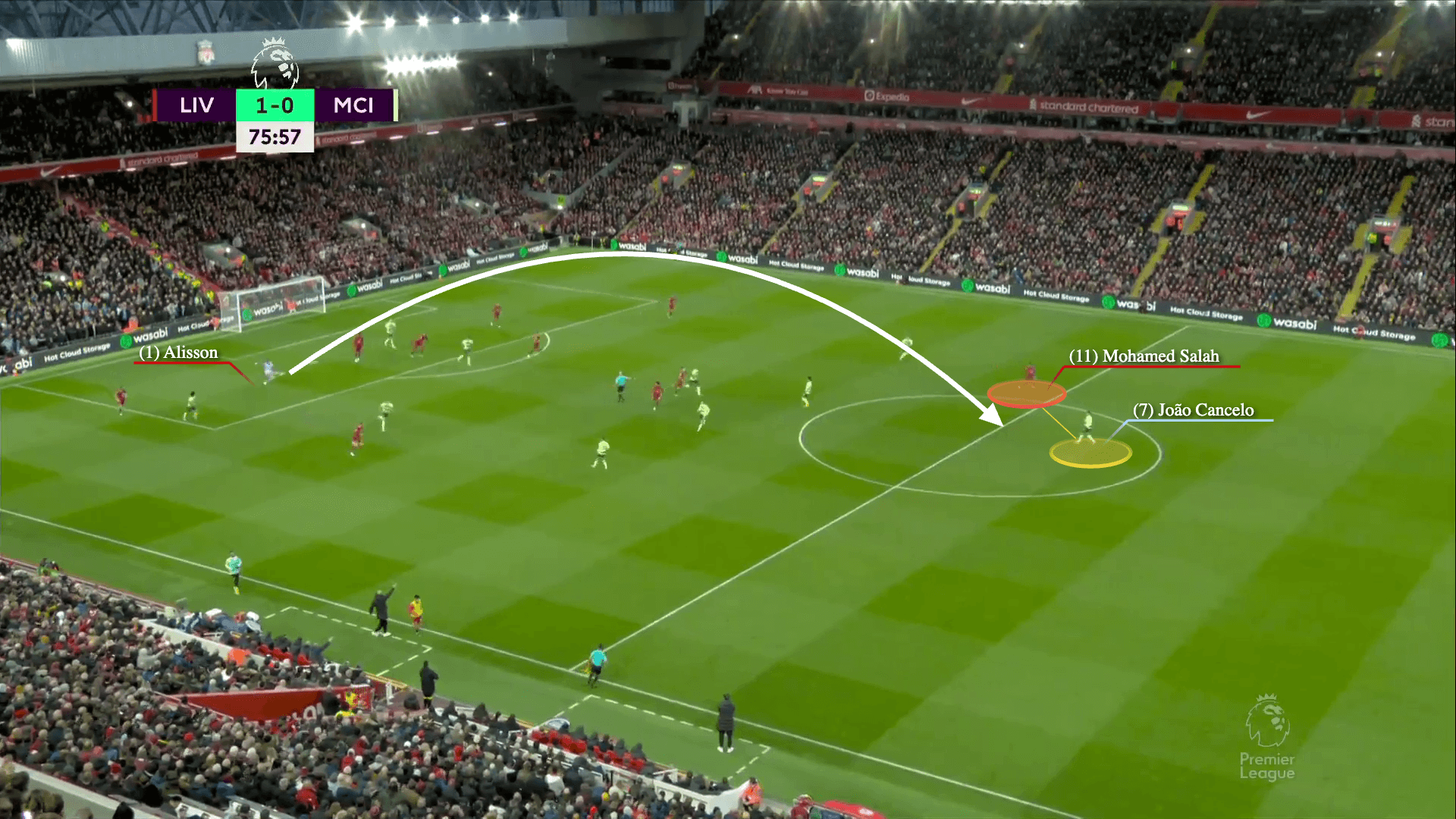
Counter-Attacking Specialists in 2018/2019 and Their Usefulness for First/Last Goal Markets
Counter‑attacking sides in the 2018/2019 Premier League lived off space rather than possession, turning opponent pressure into sudden breaks. That style did not just shape their league campaigns; it also created repeatable patterns in when they scored and under what conditions they struck first or later. For anyone working with first/last goal markets, reading those patterns mattered more than raw league position.
What Makes a Team a Counter-Attacking Threat in Betting Terms?
A counter‑attacking team is not simply one that runs fast; it is a side that defends deeper, concedes territory, and then commits significant numbers forward the moment possession is regained. Tactical reviews of the 2018/2019 Premier League describe certain teams as deliberately compact out of possession, using a 4‑4‑2 or similar shape to absorb pressure and then break through wide channels or a central target. This contrasted with the position‑dominant models of Manchester City and Liverpool, which used pressing as much as direct transition.
For betting on “team to score first” or “team to score last,” the key is how this structure interacts with the game state. Counter sides often begin cautiously, especially away, accepting early pressure before exploding into the contest once space opens. That can mean:
- A higher probability of scoring the last goal if they grow into matches or exploit late fatigue.
- Occasional early strikes when favourites start too aggressively and leave space behind from the first whistle.
The distinction between these two tendencies varies by team and opponent, which is why a generic “counter‑attacking” label is less useful than understanding specific profiles.
How 2018/2019’s Tactical Landscape Favoured Certain Counter Teams
Tactical summaries of the 2018/2019 season emphasise that while pressing and positional play dominated at the top, the league also contained classic counter‑attacking setups that thrived against those proactive models. Chelsea under Maurizio Sarri, for example, combined possession phases with a notable capacity to break at speed, particularly through Hazard, even when starting from a relatively compact shape in bigger games. Arsenal frequently used quick wide transitions but suffered from defensive fragility, leading to open matches whenever opponents committed forward.
Mid‑table clubs with strong runners—such as Leicester City in the latter part of the season under Brendan Rodgers and Wolves throughout the campaign—were especially suited to countering top‑six sides. Their structure often involved:
- A medium‑deep block that enticed pressure.
- Rapid switches into the channels once possession was won.
- Willingness to commit wing‑backs and a second‑line runner, making breaks numerically dangerous.
These traits matter for first/last goal markets because they decide whether a team is more likely to strike in the early “feeling out” phase or after the match has become stretched.
Mechanisms Linking Counter-Attacks to First/Last Goal Patterns
To see how counter football connects to “who scores when,” it helps to unpack the main mechanisms:
Game-State Dependence
Counter‑attacking teams are highly game‑state sensitive. When the score is level and favourites need a win, the stronger side pushes up, expanding the vertical space behind their back line. This is exactly the environment counter sides want. In many 2018/2019 fixtures, mid‑table or lower‑table counter teams did not seek the first goal at all costs; they were content to reach the second half at 0–0, trusting that bigger opponents would become increasingly aggressive. That shifted their scoring probability toward the last goal of the game, especially in matches where substitutions introduced fresh pace.
Energy and Field Tilt
The more possession a favourite has, the more running the defending side must do. However, transition teams often channel their energy into short, intense sprints rather than continuous pressing. Over 90 minutes, this can leave them fresher than high‑pressing favourites, whose players accumulate running load and can be slower to recover late on. That relative freshness increases the chance that a late counter produces the final goal rather than an early one, particularly in fixtures with congested schedules.
Psychological Swing
Once a counter team scores, especially underdog sides, opponents may over‑commit even more, chasing the equaliser. This opens further transition chances, which can lead to the same counter‑attacking team scoring both the first and last goals in the same match. In 2018/2019, Leicester and Wolves produced several such patterns against stronger opposition—absorbing pressure, scoring on the break, and then punishing even greater desperation late.
Team Profiles: How 2018/2019 Counter Sides Lined Up for “First vs Last” Bets
Different counter‑focused teams in 2018/2019 created different first/last‑goal profiles. In broad terms:
- Leicester City (late‑season Rodgers) – Often improved as matches went on, using quick vertical passes and Vardy’s runs against tiring defences. In many games against stronger opponents, they looked more likely to score late than early, especially once spaces widened.
- Wolves – Comfortable without the ball and dangerous in transitions both early and late, especially at home. Their 3‑4‑3 allowed wide breaks and central overloads on counters, making them consistent threats to score first against favourites who expected to dominate.
- Arsenal and Chelsea in big games – Mixed patterns: both had the firepower to score first via individual quality in transition, but their defensive fragility made conceding late entirely plausible, leading to split first/last profiles depending on opponent.
The key for bettors was to map not just who countered well, but when their counters were most decisive. Some teams were slow burners whose best moments came between minutes 60 and 90; others were ambush sides that used scripted early patterns to catch favourites cold before settling deeper.
Illustrative First/Last-Goal Tendencies by Profile
A conceptual comparison helps clarify how styles translated to markets:
| Tactical profile | Typical first-goal tendency | Typical last-goal tendency |
| Deep, conservative counter side | Lower early threat, stronger late | High chance to score last if match stays close |
| Balanced counter + press hybrid | Capable of early ambushes | Still dangerous late, but energy cost higher |
| Fragile but explosive transition team | Can score first, but also concede last | First/last markets highly opponent-dependent |
Real‑world 2018/2019 examples often mirrored this table: some underdogs repeatedly nicked late winners; others oscillated wildly between fast starts and late collapses depending on opponent quality.
Pre-Match Reading: When Counter Teams Suit “Score First” vs “Score Last”
For first/last goal markets, the real edge lies in combining tactical identity with pre‑match conditions. Before kick‑off, several questions help determine whether a counter side is likelier to score first, last, both, or neither:
- Who needs the result more?
If the favourite must win—for title, Europe or survival—they will likely push earlier and harder, increasing early‑game space for counters. That raises the “score first” potential for the underdog. - Will the opponent build from the back or go direct?
Playing out invites turnovers and fast counters. Direct, long‑ball play bypasses much of the mid‑field where counters begin, reducing quick‑break frequency. - How deep is the counter team likely to defend?
Extreme deep blocks may limit their early attacking frequency, making late counters more likely as the match opens. - What does fatigue or rotation look like?
If the favourite has had a midweek match, late‑game vulnerability increases, which favours “score last” bets on the counter side or “favourite scores first, underdog scores last” combination logic.
Answering these with real team examples from 2018/2019—whether Leicester at home to a top‑six side, or Wolves away to a possession club—often gave a clearer picture of when their breakaways were most dangerous.
Using UFABET Markets to Express Counter-Attack Reads
When a bettor translates this understanding into actual wagers, the structure of the market menu becomes important. In a familiar web‑based service such as ufabet เข้าสู่ระบบ, the first/last scorer and “team to score first/last” markets tend to sit alongside match result and totals. A disciplined user focusing on counter‑attacking 2018/2019 teams would not simply back them in outright markets; instead, they might:
- Back the counter side to score the last goal in matches where they are expected to grow into the game and where the favourite faces schedule fatigue.
- Target “favourite scores first, counter side scores last” combinations when pre‑match pressure on the stronger team makes an early goal likely but their high line remains exposed.
- Avoid first‑goal markets on counter teams in fixtures where the opponent will not open up or where the underdog is likely to prioritise a goalless draw.
Treating the interface as a way to map tactical expectations onto specific markets, rather than just picking names, is what turned knowledge of 2018/2019 counter styles into structured positions rather than hunches.
Live-Game Reading: Counter Moments and In-Play First/Last Bets
In-play, counter‑attacking identity becomes even more valuable. Once you see how a 2018/2019‑type match actually unfolds—where the pressing line sits, how high full‑backs push, and how often the underdog escapes under pressure—you can reassess which team is more likely to score next. If a counter side repeatedly breaks through the first line and reaches the box without converting, their statistical “threat” is higher than the scoreboard suggests.
For late “next goal” or “last goal” markets, key live cues include:
- The number and quality of transition attacks created so far.
- Signs of fatigue in the favourite’s recovery runs.
- Substitutions that add pace on the wings or up front for the counter side.
In a season with the physical demands of 2018/2019, those live shifts often turned matches that began as controlled favourites’ games into chaotic end sequences where fast‑breaking teams had the upper hand.
How casino online Context Can Distort Perception of Counter Sides
Modern betting interfaces tend to promote headline markets—match result, totals, and goal scorers—more strongly than nuanced tactical angles. In a typical casino online website environment, highlight boxes may centre on star forwards or derby fixtures rather than on the mid‑table match where a well‑coached counter side faces a stylistically favourable opponent. That presentation encourages decisions based on names and odds size rather than on how the game is likely to flow.
For bettors looking to exploit counter‑attacking patterns, that means deliberately digging into less prominent fixtures and markets. The best “team to score last” opportunities often hide in games that are not pushed to the front page but where a clear tactical asymmetry—deep block vs high line, tired favourite vs fresh underdog—exists. Separating what is visually promoted from what is structurally promising is essential if tactical insight is to beat surface‑level cues.
Summary
Counter‑attacking teams in the 2018/2019 Premier League offered specific value in first/last goal markets because their style made scoring probability heavily dependent on game state. Compact sides with fast forwards—Leicester, Wolves and similar profiles—were often more dangerous once favourites had committed bodies forward, raising their chances of scoring late, and occasionally of striking first in ambush scenarios. The practical edge came from matching that identity with context: opponent style, motivation, fatigue and live match patterns. When those factors aligned, “team to score first/last” markets became a natural way to express a counter‑attack read, rather than relying solely on full‑time results or generic totals.


